
The Versatility of Hampers: More Than Just a Basket
The word hamper has long been associated with storage, convenience, and gifting. Though its meaning has evolved over time, the essence of a hamper lies in its ability to combine practicality with thoughtfulness. From laundry baskets to festive gift hampers, the term covers a wide range of uses in everyday life and special occasions.
Origins and Definition
Traditionally, the word hamper comes from the Old French word hanepier, meaning a case for holding goblets. Over the centuries, the meaning broadened to describe a sturdy container—often a basket or box—used to carry or store items. Today, the word is most commonly used in two contexts: household storage (such as laundry hampers) and curated gift packages.
Hampers in Daily Life
Laundry Hampers
One of the most common household uses of a hamper is for laundry. A laundry hamper is designed to hold clothes before washing, helping to keep living spaces tidy and organized. Modern hampers are made in a variety of materials, including wicker, plastic, fabric, and even collapsible models for small spaces. Many also come with compartments, allowing users to pre-sort clothing.
Storage Hampers
Beyond laundry, hampers serve as versatile storage solutions. They can hold toys, blankets, shoes, or seasonal items, blending practicality with aesthetic appeal. Woven hampers, in particular, are often chosen for their decorative value in homes.
The Charm of Gift Hampers
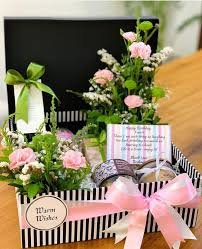
Perhaps the most celebrated form of hampers today is the gift hamper. A gift hamper is typically a curated basket or box filled with an assortment of items, such as gourmet foods, wines, chocolates, personal care products, or holiday-themed treats. These are popular during festive seasons like Christmas, Diwali, and Easter, as well as for occasions like birthdays, anniversaries, and corporate gifting.
Gift hampers carry a unique charm because they can be personalized to suit the recipient’s tastes. For instance, a tea lover’s hamper might include premium teas, biscuits, and a teacup set, while a wellness hamper might contain herbal products, essential oils, and candles.
Economic and Cultural Significance
The gifting industry has embraced hampers as a profitable and creative niche. Corporations often send hampers to clients and employees as tokens of appreciation. In many cultures, exchanging hampers symbolizes goodwill, abundance, and the joy of sharing.
Sustainability and Modern Trends
With rising awareness about sustainability, many companies now create eco-friendly hampers using reusable baskets, recyclable packaging, and organic products. This not only reduces waste but also adds value for environmentally conscious consumers.
Conclusion
Whether it is keeping a home organized or expressing affection through thoughtful gifts, hampers hold a special place in modern life. Their ability to combine function and sentiment makes them timeless, adaptable, and cherished across cultures.